Stanford University · School of Medicine · Department of Psychiatry & Behavioral Sciences staiadmin@stanford.edu

Projects

Stanford Translational AI Lab (STAI)

Ambient Intelligence (AmI)

Detecting Neuropsychiatry Symptoms (NPS)

Detecting neuropsychiatric symptoms (NPS) such as anxiety, agitation, or depression is essential because it enables the early identification and more tailored treatment of mental health conditions. Currently, NPS is detected using patient- or caregiv…
AmI in Hospitals (ICU)

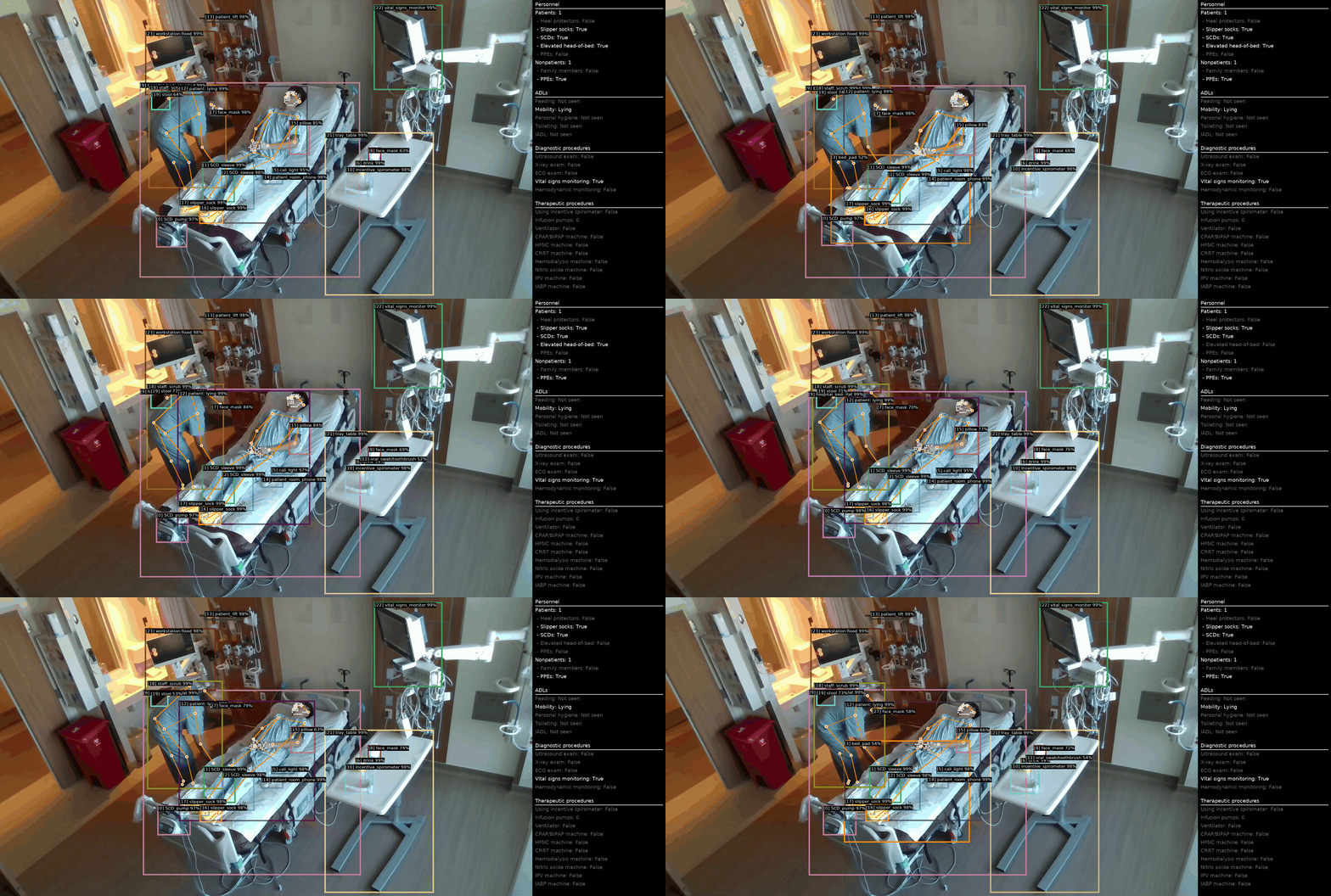
Our research project focuses on leveraging ambient intelligence and computer vision within intensive care unit (ICU) environments to support clinical documentation and patient monitoring.

Senior Care

Our senior care project focuses on developingadvanced AI models to improve the quality of life and safety for older adults. By analyzing data from ambient sensors, our AI models can track seniors’ daily behaviors and detect any unusual changes or imm…

Computer Vision

3D Digital Humans

Our project on human rendering from occluded videos addresses the challenge of accurately reconstructing 3D human bodies from single-view, in-the-wild video data, where unexpected occlusions often occur.

Video Understanding & Motion Analysis

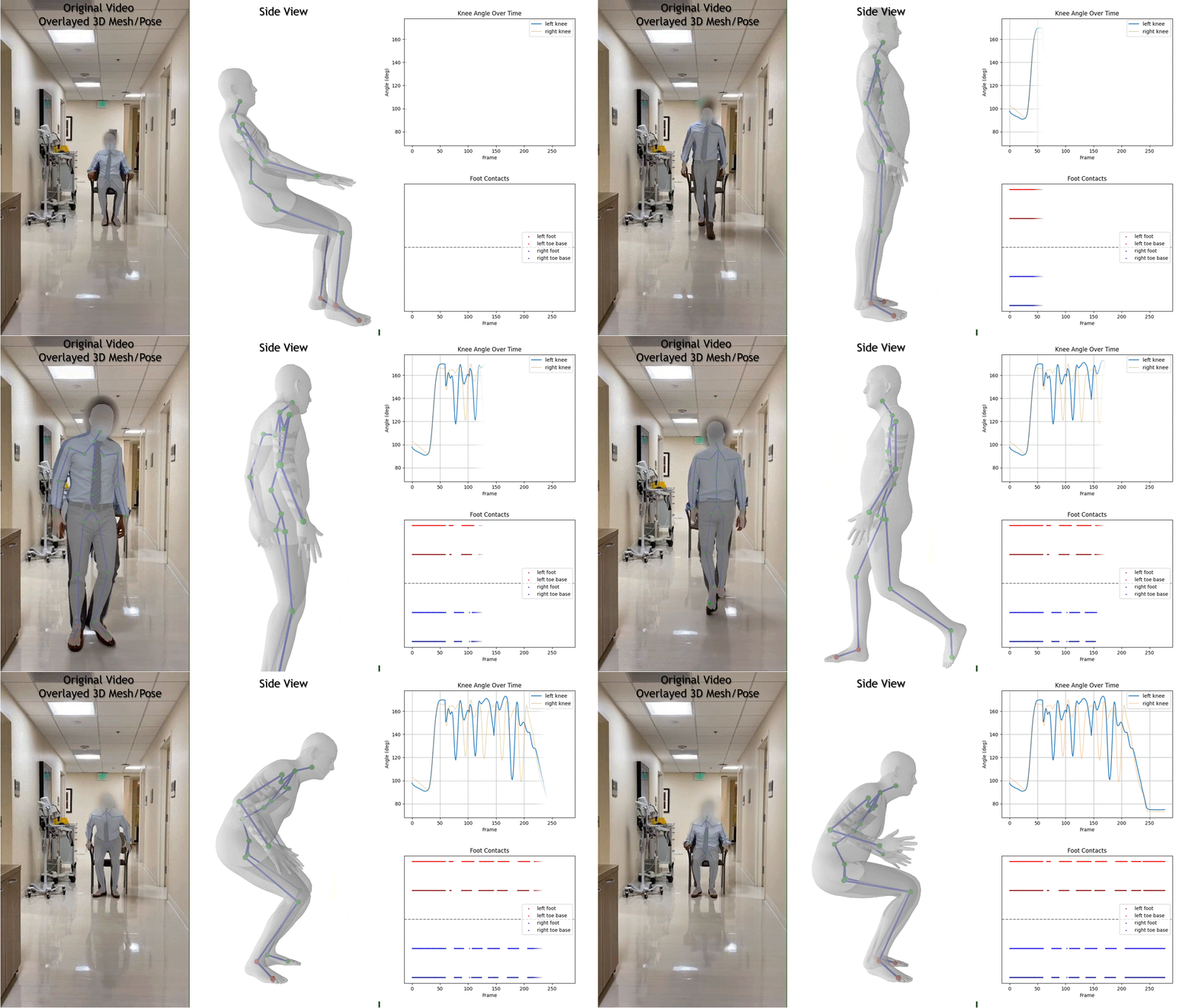
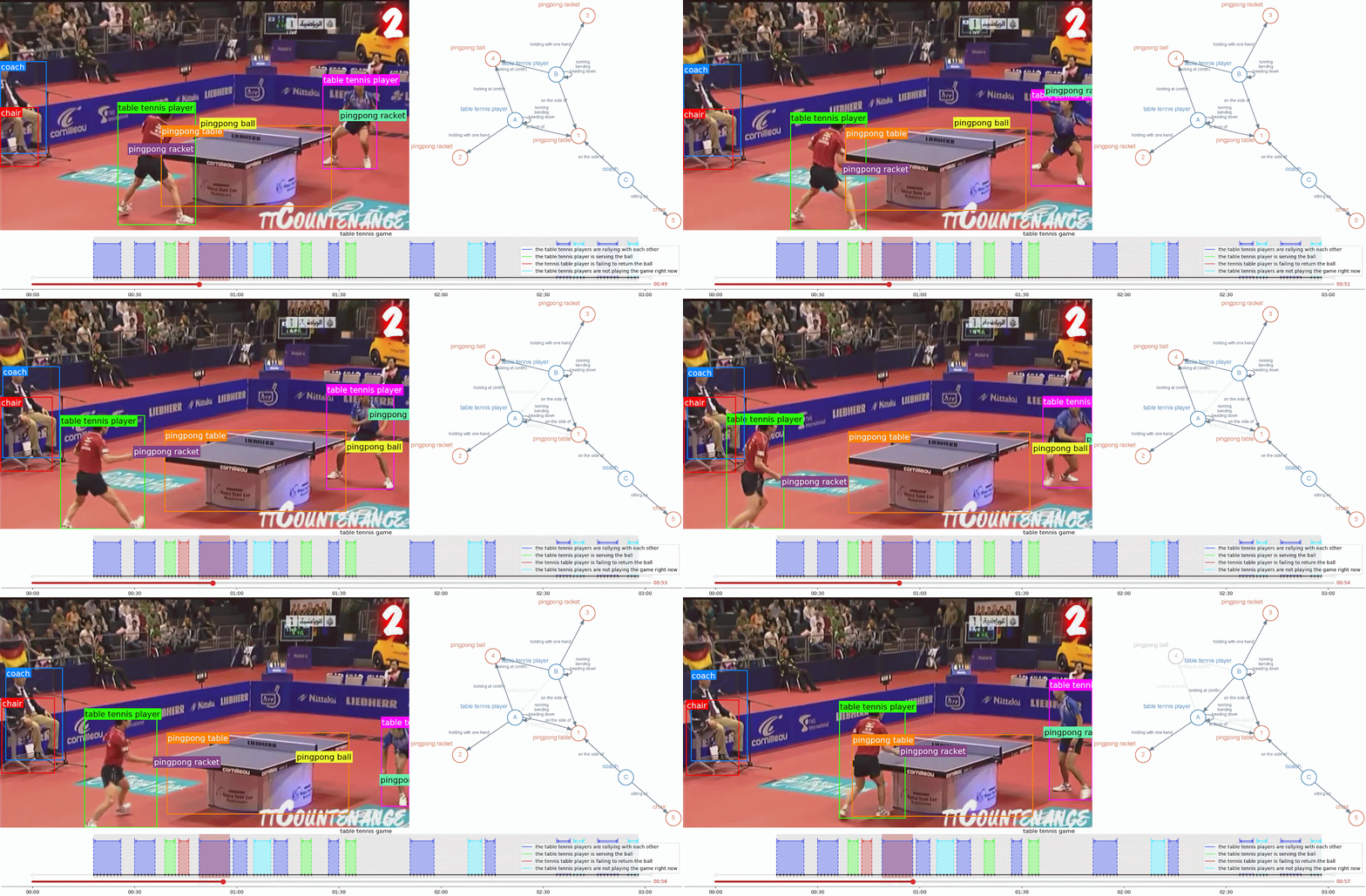
We are working on a series of works around Video Understanding & Motion Analysis, focusing on developing models to understand human motion, activities, and behaviors in real-world environments from videos. This work includes building systems for vide…

Activity & Gesture Analysis

We explore video language models for understanding human activities, focusing on detailed and fine-grained actions, including the activities of daily living (ADLs) in home environments. We developed InteractADL, a multi-view video dataset with scene …

Computational Neuroscience

Brain World Model

Despite the remarkable advancements in neuroscience and related fields, we still cannot fully explain the complexities of the human brain. Foundation models hold promise, but so far, these applications have focused only on single modalities of data, …

Neural Decoding

Neural decoding is the process of understanding how brain activity corresponds to different stimuli. It is often considered one of the primary objectives in cognitive sciences.

Mind & Motion

Joint Video-MRI analysis

We aim to employ recent advances in computer vision and artificial intelligence to assist in differentiating dementia phenotypes with a solid understanding of the neural underpinnings of gait and mobility disruptions related to dementia. Our analysis…

AI Trustworthiness

Confounders in Medical Studies

The presence of confounding effects (or biases) is one of the most critical challenges in using deep learning for medical imaging studies. Confounders influence the relationship between input data (e.g., brain MRIs) and output variables (e.g., diagno…

NeuroEthics

Mental Health

Foundation Models & LLMs in Psychiatry

This project focuses on developing and creating rigorous evaluation frameworks for multimodal foundation and large language models to advance mental health research and clinical applications. Leveraging advanced AI techniques, we integrate diverse da…